Smart Cities in 2026: How Technology Will Impact Future of Urban Living
By Amardeep Pundir
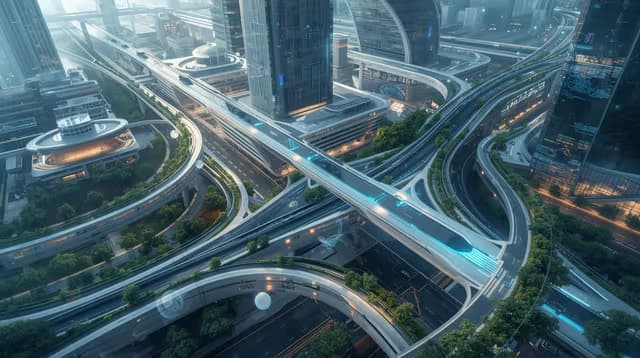
The future of urban living is expected to be indistinguishable from what we knew a decade ago. By 2026, metropolitan areas around the world will have transformed into smart cities-highly adaptive environments that use cloud computing services, big data, and human-centric design to enhance every aspect of daily life. These smart urban living ecosystems promise not just efficiency & convenience, but also resilience, inclusivity, sustainability, and improved well-being for all residents using smart cities technologies.
This reimagined future of urban living isn't just about installing new gadgets. It's about creating a cohesive digital infrastructure that touches transportation, energy, public safety, healthcare, education, and beyond. Most importantly, it's about putting citizens at the heart of innovation, ensuring that smart city technologies serve the community rather than the other way around.
Building the Foundation of the Future of Urban Living
At the core of the 2026 new smart city revolution lies a foundation of pervasive, high-speed connectivity. Next-generation networks featuring 5G, emerging 6G research, and advanced fiber-optic backbones will interlink people, devices, and systems like never before. This continuous and reliable connectivity is the bedrock upon which all other smart city technologies rest.

Edge Computing & Low Latency
Data processing closer to the source enables near-instantaneous responses in critical applications, from self-driving vehicles to emergency services.
Open Standards & Interoperability
Ensuring seamless interaction among various devices, platforms, and vendors promotes scalability and prevents technological lock-in.
Robust Infrastructure Planning
Governments and utilities will collaborate with smart cities technology partners to invest in future-proof solutions that support surging data demands and evolving urban needs.
The Next-Gen Urban Transportation Ecosystem
Efficient transportation sits at the heart of every thriving city. In a new smart city context, the goal extends well beyond traditional car-centric planning. By 2026, expect a fluid mobility ecosystem that integrates autonomous shuttles, smart traffic lights, on-demand ride-sharing, and micromobility options like e-bikes and scooters all managed under a single Mobility-as-a-Service (MaaS) framework.
Autonomous Vehicles & Public Transit
Self-driving buses and ride-hailing pods will align precisely with commuter needs, reducing wait times, travel costs, and congestion.
Smart Traffic Management
Traffic lights & sensors powered by artificial intelligence respond dynamically to shifting demand, optimizing flow, cutting emissions, and enhancing pedestrian safety.
Unified Mobility Platforms
Seamless journey planning, booking, and payment across various transport modes simplifies decision-making and encourages greener travel choices.
Sustainability and Environmental Stewardship
As climate concerns intensify, smart cities and technology prioritize sustainability and environmental resilience. By integrating IoT sensors, data analytics, and predictive modeling, planners can manage energy, water, and waste more effectively, while also fostering green public spaces and clean mobility solutions.
Smart Energy Grids
Decentralized power generation through solar panels, microgrids, and energy storage systems will balance supply and demand, reducing carbon footprints and ensuring reliable access.
Water & Waste Management
Connected systems will monitor usage, detect leaks, and dispatch services optimally. Automated recycling centers and waste-to-resource facilities will form a circular economy that minimizes landfill reliance.
Urban Greenery & Urban Farming
Parks, vertical farms, and green rooftops-supported by IoT-driven irrigation and soil monitoring, will clean the air, boost biodiversity, and provide fresh produce to local communities.
Data-Driven Governance
New smart cities thrive on actionable insights derived from real-time data. Public administrators equipped with analytical tools, AI-driven models, and interactive dashboards can quickly respond to emerging issues from adjusting public transit schedules after major events to reallocating resources in the wake of natural disasters.
E-Services & Digital Engagement
Residents will interact with city officials through user-friendly digital platforms for tasks like renewing licenses, paying taxes, or reporting neighbourhood concerns-reducing red tape and increasing transparency.
Participatory Budgeting & Policy-Making
Digital forums and mobile apps enable citizens to contribute their ideas, vote on community projects, and ensure that local policies reflect the collective will of residents.
Performance Benchmarking
In the future of urban living, officials will rely on analytics to measure the effectiveness of initiatives, enabling continuous improvement and reinforcing public trust.
Planning, Predicting, and Perfecting the Future of Urban Living with Digital Twins
Before a single construction crane moves into position, city planners can test ideas in realistic digital simulations. Digital twins, virtual replicas of physical environments incorporate IoT data, historical records, and predictive algorithms to model the impacts of proposed infrastructure changes or policy shifts.
Risk-Free Experimentation
Planners can simulate traffic diversions, zoning changes, or infrastructure upgrades and instantly assess outcomes using smart cities technologies, minimizing missteps.
Disaster Preparedness & Resilience
Forecasting the effects of extreme weather, floods, or seismic events allows for better emergency planning and resource allocation.
Data-Backed Decisions
Evidence-driven smart urban living strategies ensure that investments align with long-term community goals, safety standards, and sustainability targets.
Citizen-Centric Services
A new smart city will prioritize human needs. Telemedicine hubs, AI-assisted diagnostics, and wearable health trackers will bring healthcare to residents fingertips. Virtual classrooms, AR/VR learning tools, and personalized edtech platforms will transform education, enhancing access, inclusivity, and continuous skills development.
Smart Healthcare
Continuous patient monitoring and predictive analytics lower hospital readmission rates, while telemedicine solutions ensure that medical advice is just a click away.
Education & Workforce Readiness
Online learning platforms integrate with local industries, offering training modules on emerging smart city technologies, ensuring that residents remain competitive in a rapidly shifting job market.
Elderly & Accessible Services
Voice-controlled assistants and IoT-enabled wearables help older adults or those with disabilities navigate the city safely and comfortably.

Public Safety Through IoT and AI
Security and public welfare are paramount too. Smart cities technology integrates surveillance sensors, intelligent street lighting, and AI-driven analytics to detect anomalies, predict incidents, and guide authorities toward proactive interventions. These tools enhance safety while preserving citizen privacy through strict data governance and anonymization.
Predictive Policing & Emergency Response
Real-time data alerts public safety teams to emerging threats, facilitating rapid dispatch and targeted interventions.
Disaster Response & Management
From early flood warnings to instant fire alerts, connected sensors and drones help emergency services act swiftly, limiting damage and saving lives.
Ethical Data Practices
Municipalities will implement strict data governance frameworks to ensure personal information remains secure and encrypted, building trust with the community.
Inclusive Economic Growth
Technological transformation drives economic opportunities. Smart city technologies cultivate innovation ecosystems that attract startups, entrepreneurs, and global investors. Meanwhile, skill-building initiatives ensure residents are equipped to thrive in a digital economy, mitigating inequalities and fostering inclusive growth.
Local Innovation Hubs
Coworking spaces, incubators, and innovation districts become hotbeds for talent and creativity, reducing brain drain and stimulating local economies.
New Skill Sets & Employment
Jobs in data analytics, robotics maintenance, cybersecurity, and urban agriculture emerge, strengthening the community's job market.
Equitable Access to Opportunities
Broadband subsidies, community training centers, and digital literacy programs ensure all residents can fully participate in and benefit from, the new smart city economy.
Cybersecurity and Trust in Smart Urban Living
With great connectivity comes great responsibility. As cities become data-rich ecosystems, protecting that data from breaches, misuse, and surveillance is crucial. Rigorous cybersecurity protocols, encrypted communications, and transparent data policies will cement public trust in the technology that powers their lives.
Resilient Defense Mechanisms
Continuous threat monitoring, AI-driven anomaly detection, and robust encryption standards shield sensitive information.
Data Protection Regulations
Compliance with international standards and ongoing audits ensure that citizen privacy is never sacrificed for convenience.
Community Dialogue
Regular public consultations and clear reporting help residents understand how their data is used, strengthening confidence and cooperation in the future of urban living.
Smart Cities in Action: Urban Living Examples
There are several cities across the globe that have already adopted smart urban living. Common urban living examples include:
Singapore
Singapore's Smart Nation initiative uses IoT, AI, and blockchain to optimize transport, healthcare, and urban planning. Autonomous vehicles and smart buildings are already transforming daily life.
Dubai
Dubai leverages AI and blockchain to deliver seamless government services, smart energy systems, and AI-powered policing. Its "Dubai Plan 2026" aims to make it the happiest city globally.
Barcelona
Barcelona uses IoT-enabled systems for waste management, energy monitoring, and smart parking. The city has also deployed an extensive network of public Wi-Fi for digital inclusivity.
Partner with Us to Accelerate Smart City Implementation
Implementing the vision of a truly smart city demands collaboration among public authorities, private sectors, civil society, and technology experts. Achieving the right blend of hardware, software, strategy, and stakeholder engagement is no small task especially when orchestrating complex systems at massive scales.
For leaders, developers, and policymakers seeking to navigate this intricate landscape, partnering with experienced technology providers is key. As a top-rated software development company, we offer end-to-end solutions spanning IoT integration, AI-driven analytics, cybersecurity, mobile platforms, and beyond. With proven expertise and a track record of successful projects, Seasia Infotech can guide smart cities and technology through the design, deployment, and maintenance of smart city ecosystems, ensuring that investments deliver tangible benefits and long-lasting impact.
Looking Beyond 2026
New smart city initiatives don't end at a fixed date. Urban environments are living entities that must continuously adapt to shifting economic trends, population demographics, environmental challenges, and technological breakthroughs. By 2026, we will have laid the groundwork, but the journey will continue for decades as cities evolve to meet emerging realities.
In the long term, early pilot programs will expand citywide, and successes in one region will inform best practices elsewhere. On the smart cities technology aspect, quantum computing, neural interfaces, and more advanced AI will integrate seamlessly to further improve living standards. As cities worldwide exchange best practices and technologies, global urban governance will mature, spreading prosperity and resilience far beyond individual borders.
Embracing the Future of Urban Living
By 2026, the smart city will have graduated from conceptual promise to practical reality. These connected, sustainable, and inclusive urban landscapes promise to enrich people's lives with cleaner air, safer streets, better healthcare, more accessible education, and stronger local economies. At the heart of it all lies an unwavering dedication to using technology responsibly, ethically, and with a focus on the human experience.
The time to prepare for this transformation is now. Forward-looking leaders and city planners who engage with trusted technology partners like Seasia Infotech will set the stage for sustainable growth and well-being. Together, we can build cities that aren't just smarter, but truly better-cities that empower every resident, protect the environment, and lead us into a brighter future of urban living.