AI Is Reshaping How We Hire, Onboard, and Upskill — And Leaders Who Ignore It Will Fall Behind
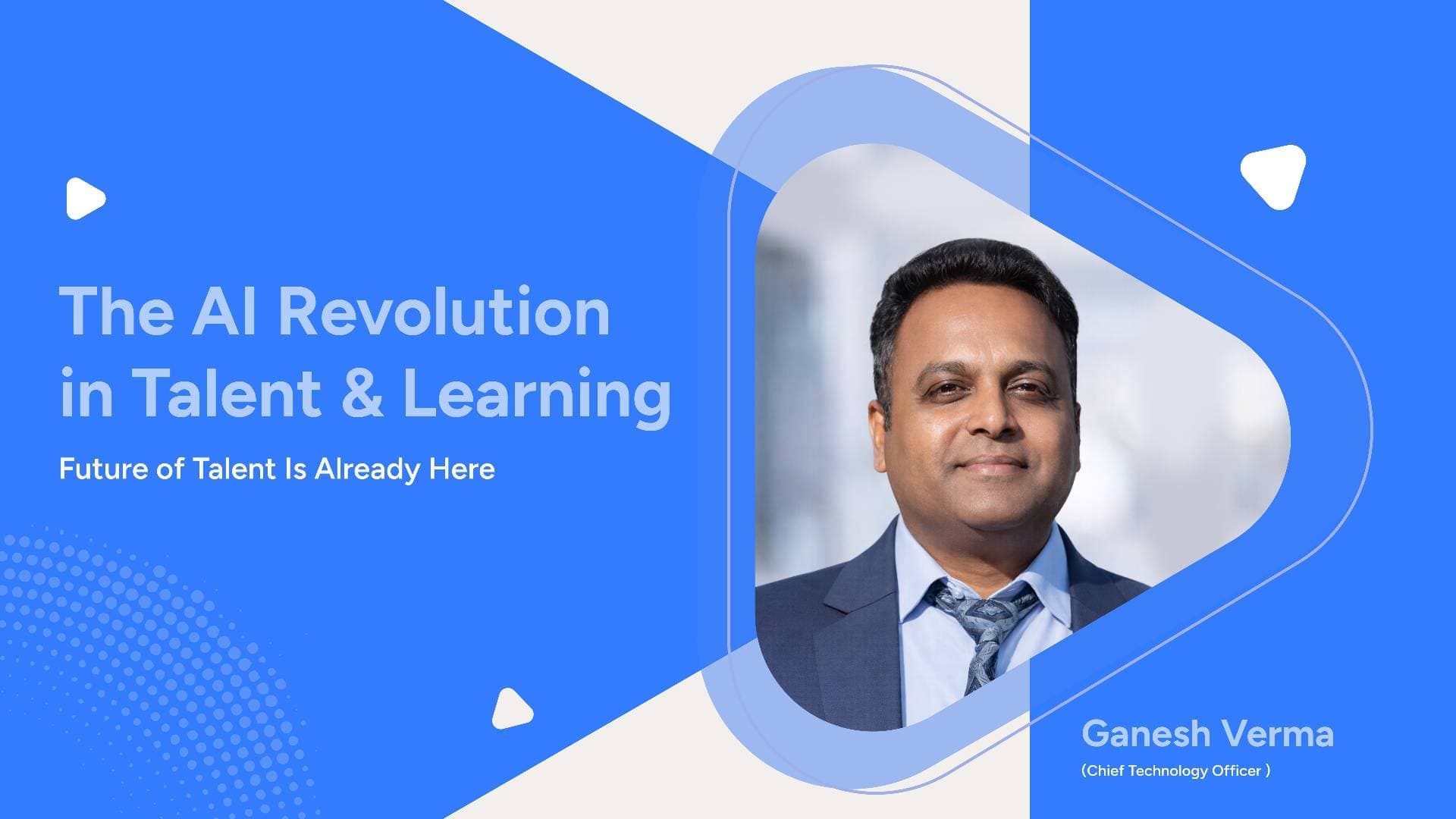
Competitive advantage rarely comes from incremental tweaks. It comes from bold, well-timed adoption of transformative technologies. Right now, no technology is more relevant than AI — and it is already reshaping how the best organizations hire, onboard, and upskill their people.
The leaders who understand this are moving fast. The leaders who are waiting for certainty are falling behind in ways they may not yet realize.
AI in Hiring: From Filtering to Forecasting
Traditional hiring is slow, expensive, and inconsistent. Recruiters review hundreds of resumes, conduct dozens of phone screens, and still make decisions heavily influenced by unconscious bias. AI is changing every step of this process.
AI-powered applicant tracking systems now go beyond keyword matching to analyze the semantic content of applications, assess cultural fit signals, and predict long-term performance based on patterns from successful hires. Video interview platforms analyze vocal patterns, language choice, and engagement signals to surface insights that human interviewers consistently miss.
The best tools are also helping companies hire for potential rather than pedigree — identifying candidates with transferable skills who might otherwise be filtered out by rigid requirements.
Onboarding: The 90-Day Window
Research consistently shows that how an employee's first 90 days go strongly predicts their long-term engagement and retention. Yet most onboarding programs are a mix of paperwork, generic compliance training, and unstructured shadowing.
AI-driven onboarding platforms now create personalized ramp-up plans based on role, prior experience, and learning style. They check in proactively, identify knowledge gaps in real time, and connect new hires with mentors and resources at exactly the right moment.
Continuous Upskilling as a Strategic Asset
The half-life of technical skills is shrinking. Skills that were cutting-edge three years ago are now table stakes, and skills that will be essential in three years don't yet have established training programs. Organizations that treat learning as a continuous process — rather than an annual compliance checkbox — will have workforces that can adapt faster than their competitors.
AI-powered learning platforms make this practical at scale. They identify skill gaps across the organization, recommend targeted learning interventions, and track progress in ways that connect directly to performance outcomes.
The organizations getting this right are seeing measurable improvements in retention, engagement, and time-to-productivity. Those waiting for AI to be more mature are giving their competitors a head start they'll struggle to overcome.
_(1).webp&w=3840&q=75)